
Summer means more time in sandals, thongs and bare feet. That's great for your feet in some ways, but it can also bring cracked heels, blisters and skin problems. Here are some simple ways to keep your feet comfortable this summer.
Open shoes and dry, hot weather can leave the skin on your heels thick and dry, and it may start to crack. To help:
Don't wait until your heels are cracked and bleeding. A podiatrist can safely reduce thick, dry skin and help you manage it early, before cracks become deep or painful.
Thongs are easy to slip on, but they give your feet very little support. Wearing them all day can contribute to heel and arch pain. For long walks or days on your feet, choose a sandal with a supportive sole and a strap around the heel. If you wear orthoses, ask us about summer footwear that can fit them.
New shoes, heat and sweat make blisters more likely, and your socks make a big difference. Some socks, such as Steigen, are designed to help prevent blisters through the materials they use and how they fit. Wear new shoes in gradually, and keep your feet dry. If a blister forms, cover it with a dressing and try not to pop it. Watch for signs of infection, such as increasing redness, warmth or pus.
If you keep getting blisters, it's worth having your podiatrist take a look. New shoes aren't always the cause. Blisters can come from your foot moving around inside the shoe, shoes that don't suit your foot shape, or socks that hold moisture or don't fit well. Your podiatrist can assess your feet and footwear, find the cause, and advise you on the right shoes, socks and skin care to help stop blisters coming back.
Warm, damp conditions suit tinea (athlete's foot) and fungal nail infections. Dry well between your toes after swimming or showering, wear thongs in public showers and around pools, and change your socks daily.
The tops of your feet burn easily and are often forgotten. Apply sunscreen when you're in open shoes or at the beach.
Check your feet every day, especially if you're spending more time barefoot or in open shoes. Small cuts, blisters or cracks can be harder to notice and slower to heal. Contact us or your GP if you notice any changes.
Book an appointment if you have cracked heels that are painful or bleeding, ongoing heel or arch pain, an ingrown toenail, or a skin or nail problem that isn't improving. You can book online or call us on 08 8363 4588.
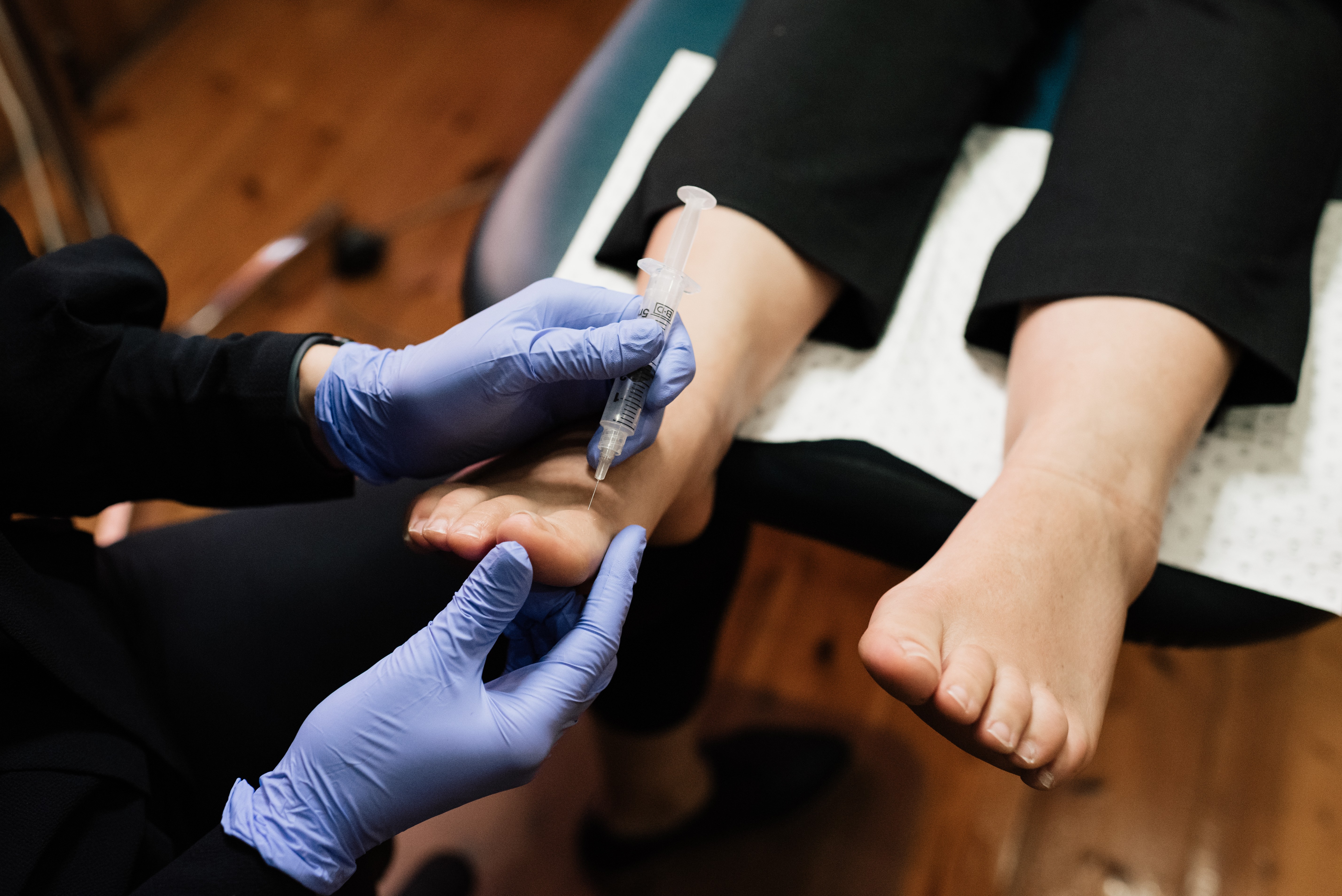
Ingrown toenails can be painful, unsightly and debilitating. This post explores the many different factors that drive an ingrown toenail and how to prevent their development or manage them successfully.
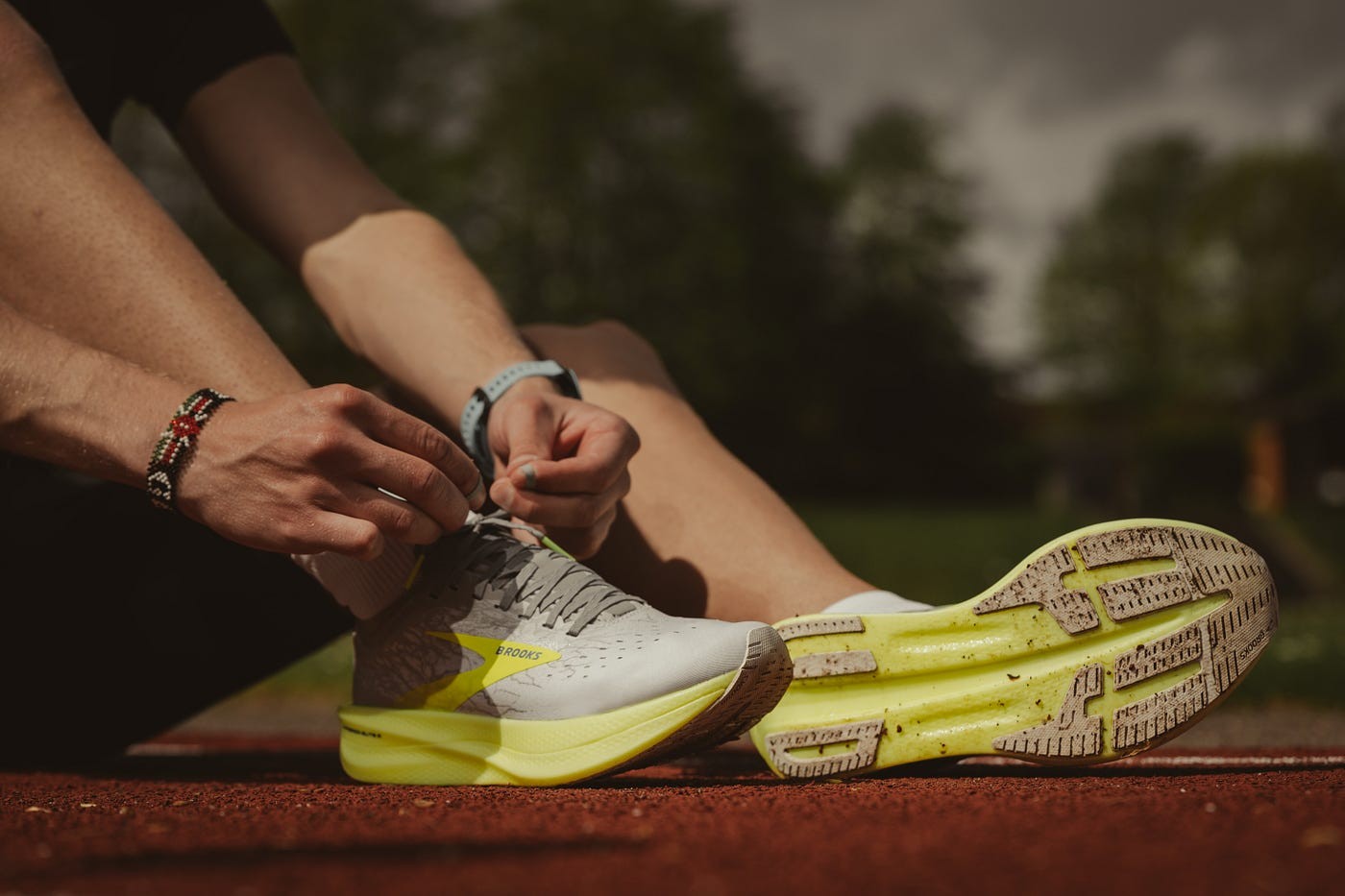
When is it time to change your running or walking shoes? How long do they really last and what are the main signs that your shoes are ready for a change?
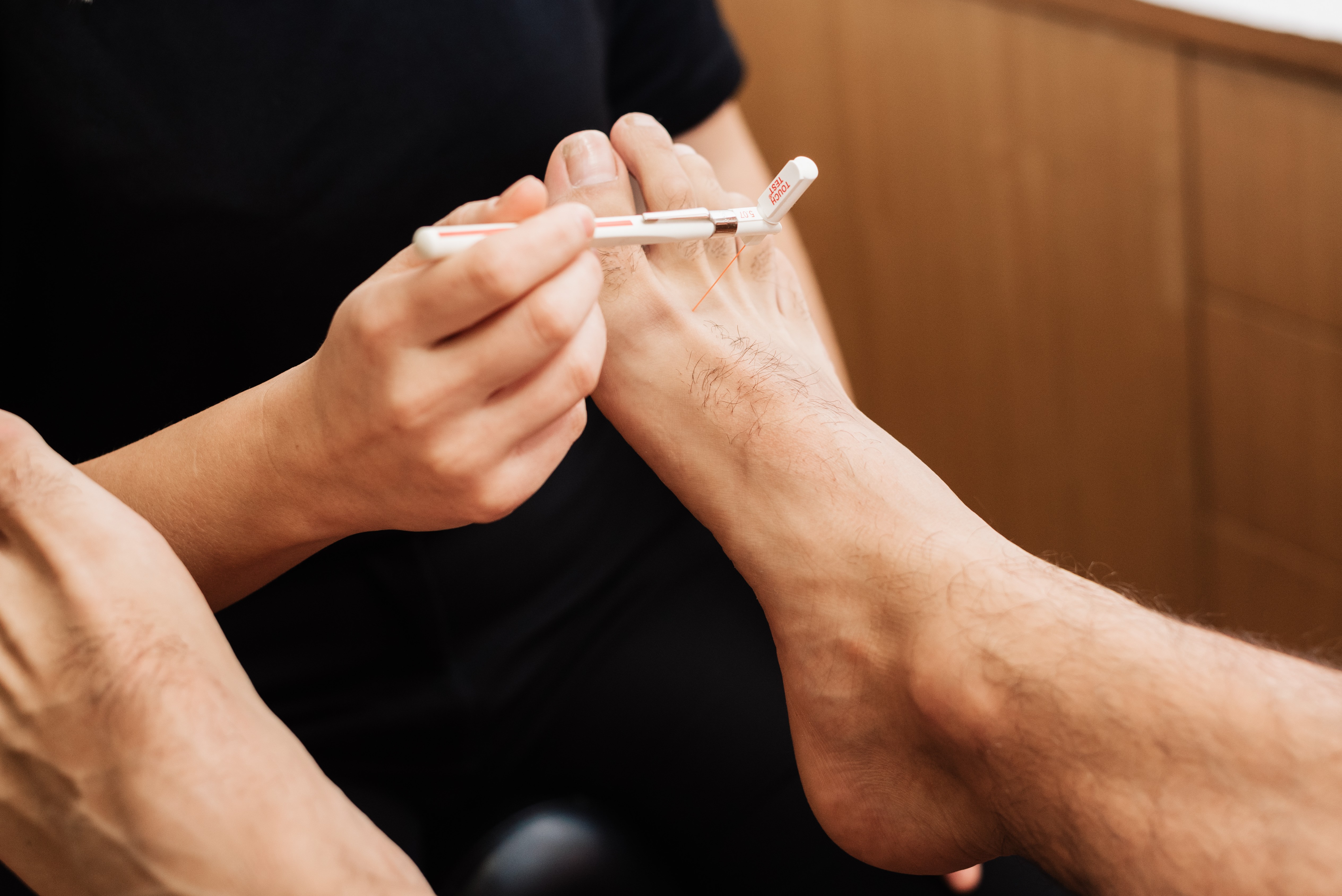
Diabetes can reduce the feeling and blood flow in your feet, so small problems can go unnoticed. Here's what a diabetes foot assessment involves, how to look after your feet at home, and when to get help.