
Diabetes can affect your feet in ways that aren't always obvious. Over time, raised blood glucose levels can reduce the feeling in your feet (neuropathy) and the blood flow to them. That means a small blister, cut or pressure spot can go unnoticed and take longer to heal. Regular foot checks with a podiatrist help pick up changes early, while they're easier to manage.
At PodSquared Podiatry, a diabetes foot assessment usually includes:
We'll explain what we find, let you know your risk level, and agree on how often your feet should be checked.
Contact us or your GP straight away if you notice a cut, blister or sore that isn't healing, new redness, swelling or warmth, a change in skin colour, or pain or numbness that's new. If a wound looks infected and you feel unwell, seek urgent medical care.
We work alongside your GP, diabetes educator and endocrinologist, and can send them a report after your assessment. If your GP has given you a Chronic Condition Management Plan, you may be eligible for a Medicare rebate. Please bring your referral to your first visit.
To book a diabetes foot assessment, call us on 08 8363 4588 or book online.

Summer means more time in sandals, thongs and bare feet. Our tips for cracked heels, blisters, footwear and skin care, and when to see your podiatrist.
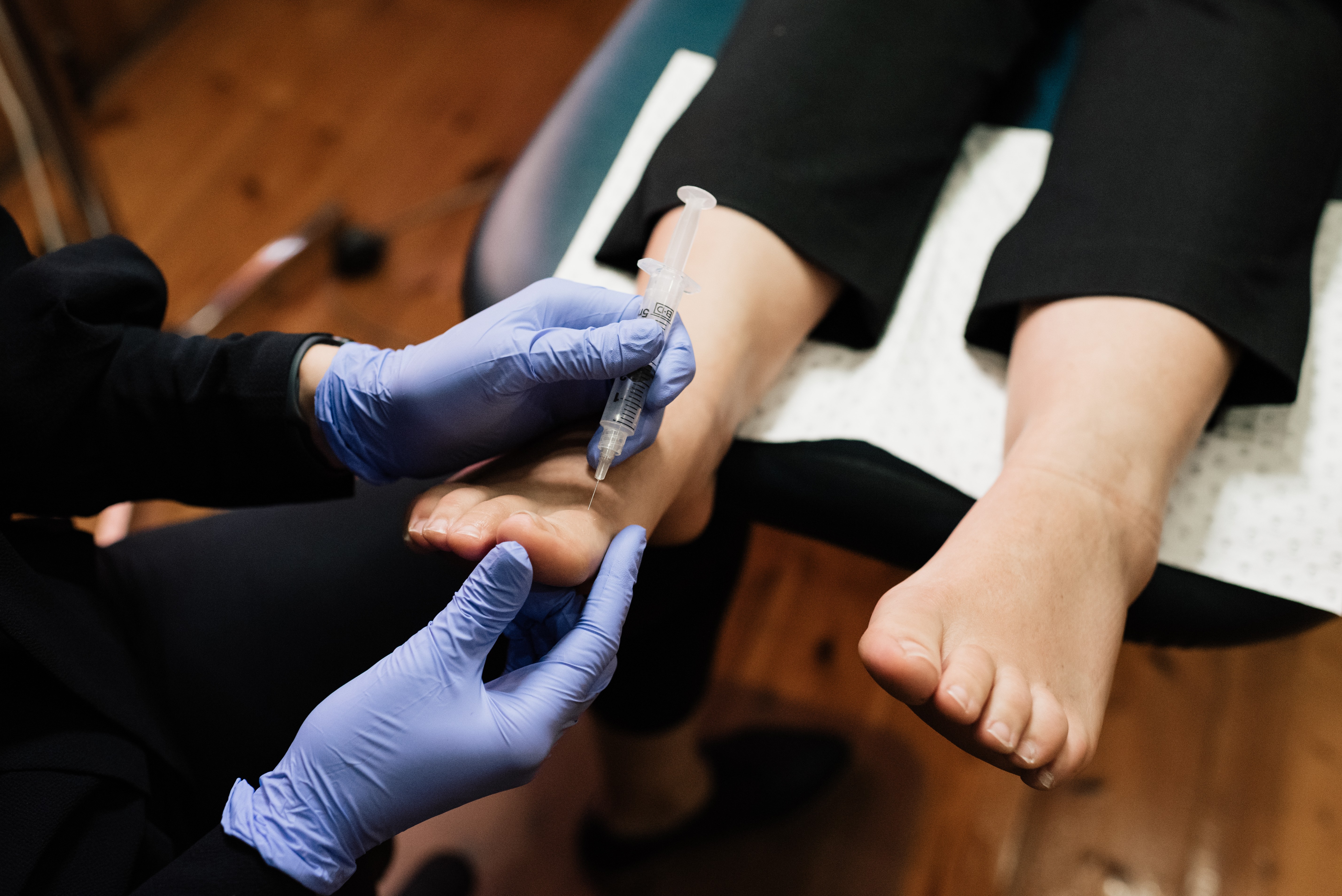
Ingrown toenails can be painful, unsightly and debilitating. This post explores the many different factors that drive an ingrown toenail and how to prevent their development or manage them successfully.

When is it time to change your running or walking shoes? How long do they really last and what are the main signs that your shoes are ready for a change?